Display Shelf for Laser Cut
As a designer who spends more time than I care to admit staring at stitch patterns and debating thread colors, I have learned that the difference between a good embroidery project and a great one often comes down to the underlying design structure. We are evaluating Display Shelf for Laser Cut, a design file categorized under Stands and Laser Cutting. On paper, it sounds industrial or architectural. In practice, however, this is about how a graphic element translates into textile art. This review breaks down my first impressions, real-world application scenarios, and the practical considerations you need to weigh before loading this file into your machine.
The Visual Personality of Display Shelf for Laser Cut
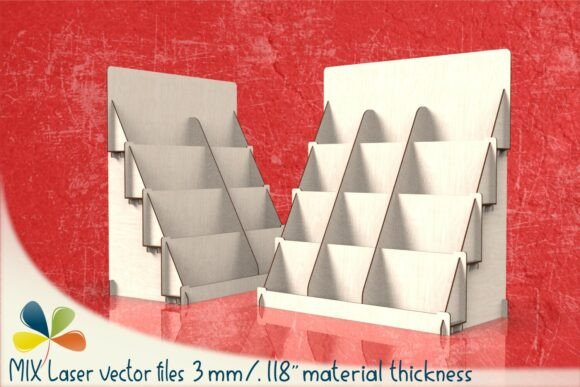
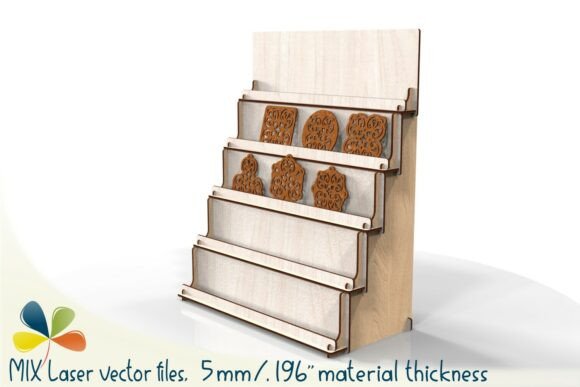
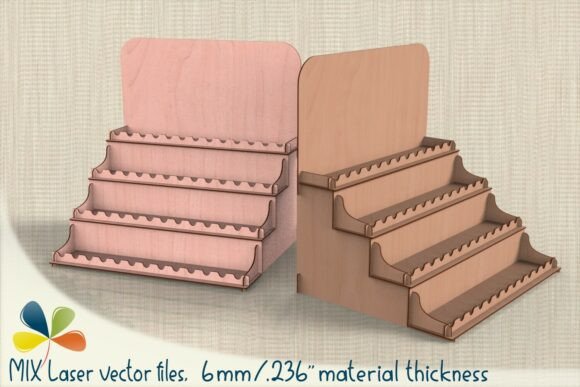
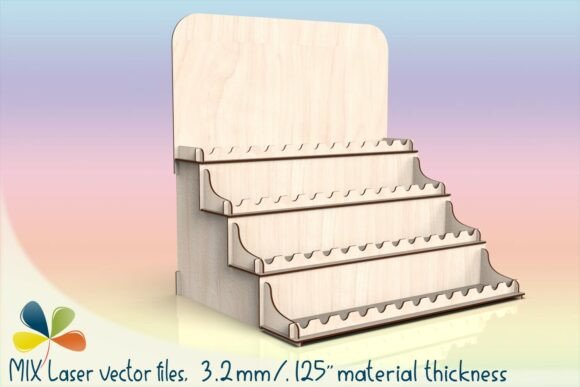
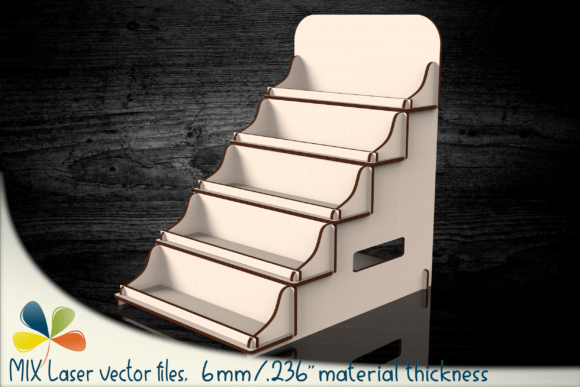
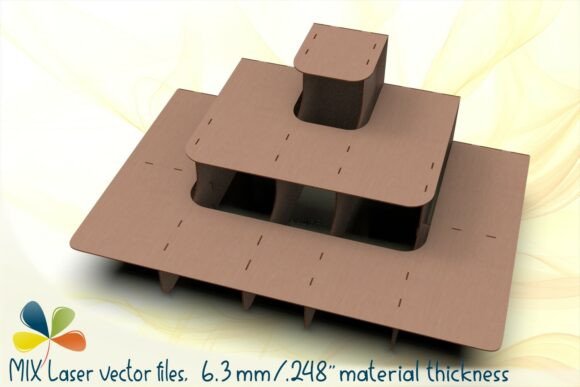
When I first opened the preview for Display Shelf for Laser Cut, what struck me was its sense of balance. The description highlights "rounded levels" and a "graceful stand," which suggests a softness that contrasts with the rigid connotations of laser cutting. For an embroidery designer, this is crucial. A purely geometric, sharp-edged shelf might look too harsh on a soft cotton tote bag or a delicate baby onesie. However, the rounded aesthetic of this design allows it to bridge the gap between modern minimalism and cozy handmade charm.
The mood created by this design is one of organized elegance. It feels like something you would see in a curated boutique or a well-designed nursery. The layout is spacious, which gives the eye room to breathe—a trait that is highly valued in current interior decor trends. When I imagine this as a tote bag design or a piece of nursery decor, the visual personality fits perfectly. It doesn’t scream for attention; instead, it invites the viewer to appreciate the craftsmanship. This subtlety is exactly what makes a handmade product feel premium rather than mass-produced.
Real-World Application: From Sketch to Stitch
I don’t just design for the sake of digital assets; I think about where these files end up. Let’s look at a specific scenario. Imagine you are preparing a batch of custom embroidered aprons for a local bakery or a craft fair booth selling kitchen towels. You need a design that signifies "home," "organization," and "care." Display Shelf for Laser Cut serves this narrative beautifully.
In this context, the design acts as a central focal point. Because it represents a physical object (a shelf), it grounds the abstract nature of embroidery. If you were creating a set of matching tea towels, placing this design in the corner adds a touch of sophistication without overwhelming the fabric. Similarly, for an Etsy seller looking to create personalized gifts, this design can be easily customized. Adding a name or a date near the "levels" of the shelf transforms it from a generic graphic into a personalized gift that feels thoughtful and tailored.
I also see strong potential here for sweatshirt embroidery. The clean lines of the shelf structure work well against the textured surface of fleece or heavy cotton blends. It provides a crisp contrast that looks professional even if the stitching isn’t pixel-perfect. For a small shop product aimed at home organization enthusiasts, this design hits the right emotional note. It promises order and style, which are key selling points for customers buying commercial embroidery items.
Technical Performance and Stitch Clarity
How does Display Shelf for Laser Cut perform when the needle starts moving? Designs categorized under Laser Cutting often imply precision, but embroidery has its own language. The success of this design depends heavily on how the stitch density is handled. If the fill stitches are too dense, the fabric may pucker, ruining the graceful curve of the rounded levels. Conversely, if the density is too light, the design may lose its structural integrity, looking thin and cheap.
I recommend paying close attention to the transition between the satin stitch borders and the fill areas. Satin stitches give that polished, finished edge that elevates any embroidered patch or custom apparel. If the designer has balanced these elements well, the final output will have a high perceived value. Customers associate neat edges with quality. When you present a finished product at a craft fair, the clarity of the shelf’s outline is what draws the eye. It signals that someone took care in making it.
Furthermore, consider the negative space. A good machine embroidery design uses empty fabric as effectively as it uses thread. The open spaces within the shelf structure allow the fabric color to play a role in the overall image. This is particularly effective on fabric texture like linen or denim, where the weave adds depth to the un-stitched areas. It creates a layered look that mimics the multi-level nature of the shelf itself.
Where Caution Is Required
While this design has many strengths, it is not universally perfect. There are specific situations where Display Shelf for Laser Cut might struggle:
- Small Hoop Sizes: If you are working with very small hoops (under 4x4 inches), the details of the rounded levels may become indistinguishable. The design needs enough room to breathe. Compressing it too much will result in a muddy blob rather than a clear shelf.
- Textured or Stretchy Fabrics: As mentioned, stability is key. On stretchy knits or heavily textured fabrics like chunky wool, maintaining the precise geometry of the shelf can be challenging. You risk distortion if the stabilizer choice isn’t optimal.
- Dark Fabrics with Light Threads: If you plan to use white or pastel threads on dark fabric, ensure the thread colors provide enough contrast. Thin lines might get lost, reducing the impact of the design.
- Frequent Washing: For items like aprons or kitchen towels that will undergo heavy laundering, dense stitch areas can wear down faster. Check the durability of the design if longevity is a priority.
Practical Designer Notes for Execution
Before you commit to a full production run, follow these steps to ensure Display Shelf for Laser Cut performs as expected:
- Test on Scrap Fabric: Always run a test stitch on the same type of fabric you plan to use. This helps you judge the true color match and how the fabric reacts to the tension.
- Check Black and White Mockups: View your design in grayscale. This helps you assess the balance of light and dark areas without being distracted by color choices. It ensures the composition holds up visually.
- Inspect Small Details: Zoom in on the corners and curves. Are there any overlapping stitches that might cause puckering? Are the fine lines too thin to stitch cleanly?
- Confirm Licensing: If you intend to sell finished products made with this digital embroidery file, double-check the license terms. Ensure you have commercial rights for craft business use.
- Use Proper Stabilizer: The choice of stabilizer can make or break the outcome. For a design like this, which relies on clean lines, a cut-away stabilizer is often safer for woven fabrics to prevent shifting during stitching.
Final Verdict
Display Shelf for Laser Cut is a versatile, aesthetically pleasing design that brings a sense of calm organization to any textile project. Its rounded, graceful form makes it suitable for a wide range of applications, from holiday embroidery gifts to boutique branding materials. While it requires careful attention to hoop size and fabric choice, the payoff is a professional-looking finished product that customers will appreciate.
For designers looking to add a touch of modern elegance to their portfolio, this file is a solid addition. It works well as a standalone piece or as part of a larger collection of home goods designs. By testing thoroughly and choosing the right materials, you can turn this digital asset into a tangible, high-value item that stands out in a crowded market. Whether you are an Etsy seller or a hobbyist making a personalized gift, this design offers a reliable path to creating something beautiful and functional.