Review: 6mm Laser Display Shelf Embroidery Design
As a designer who spends half my life staring at hoop frames and the other half worrying about stitch density, I approach every new embroidery file with a mix of hope and skepticism. We have all seen designs that look beautiful in a digital preview but fall apart when the needle hits the fabric. Today, I am putting the 6mm Laser Display Shelf with Side Handle design through its paces. This isn’t just another decorative clipart; it is a structural concept translated into thread. My goal here is to determine if this piece holds up as a viable asset for real-world projects, from custom apparel to high-end boutique merchandise.
First Impressions: Structure Meets Stitch
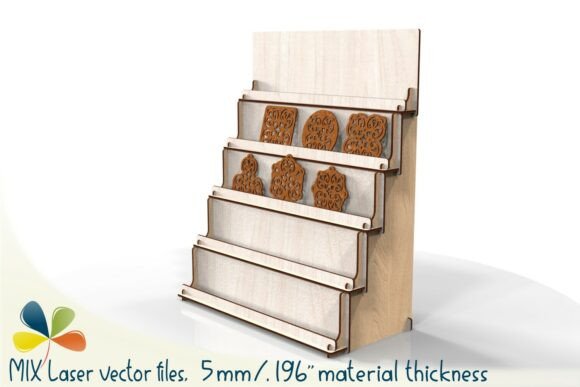
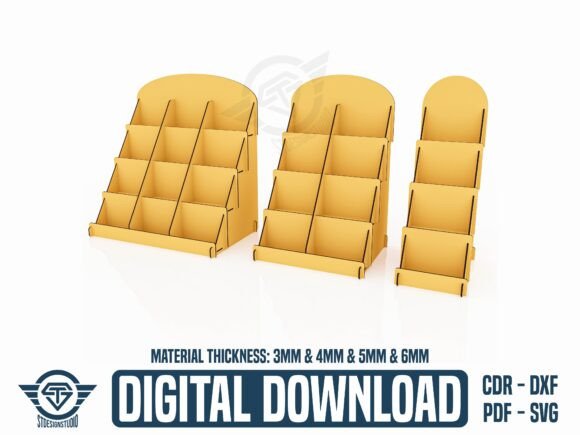
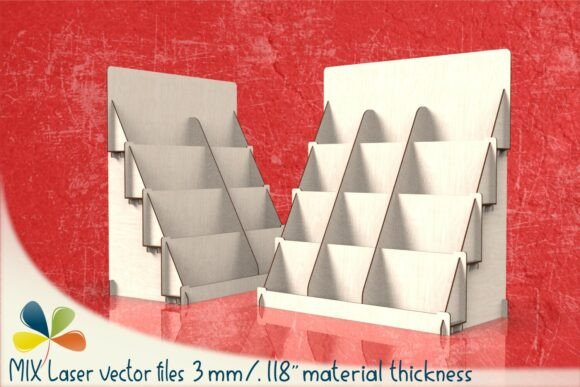
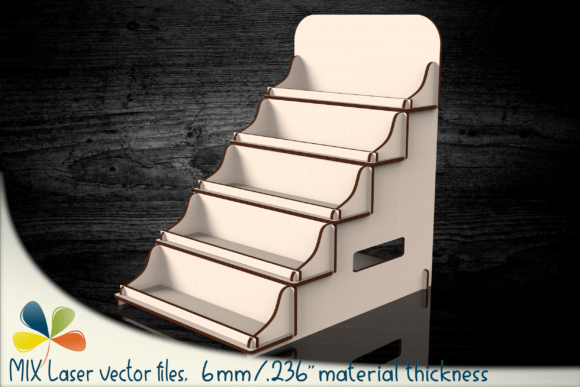
The moment you load the file into your digitizing software, the geometry of the 6mm Laser Display Shelf with Side Handle demands attention. The name itself suggests precision, and visually, it delivers. The design mimics the clean lines of laser-cut wood, featuring five distinct shelves and a functional-looking side handle. For an embroidery designer, the immediate question is always: how does this translate to thread?
Mood-wise, the design evokes a sense of organized creativity. It feels modern, minimalist, and incredibly practical. Unlike whimsical floral motifs or overly complex illustrations, this design has a grounded personality. It screams "maker" and "creator." When I first visualized this on a garment, I didn’t see it as a main focal point for a child’s birthday shirt; I saw it as a sophisticated accent for a professional’s workspace gear. The layout is balanced, with the vertical handle providing a strong anchor and the horizontal shelves creating rhythm across the hoop. It creates a visual weight that feels sturdy, much like the physical product it represents.
Real-World Application: Where Does This Fit?
To truly judge an embroidery file, we have to move beyond the screen and imagine the finished product. Let’s talk about a specific scenario: preparing a custom order for a local artisan market. Imagine you are crafting a premium canvas tote bag for a fellow crafter who sells handmade candles or soaps. You need a design that says "I make things" without being loud or cluttered.
This is where the 6mm Laser Display Shelf with Side Handle shines. Placed centrally on the front panel of a natural-colored canvas tote, the design acts as a subtle brand statement. The five shelves can even be interpreted metaphorically—showcasing the variety of goods the seller offers. Alternatively, consider a heavy-weight cotton sweatshirt for a winter craft fair. A small, precise rendition of this shelf design on the chest pocket area adds a layer of professionalism that generic text logos often lack. It signals that the wearer appreciates structure and design intent.
I also envision this working beautifully as an embroidered patch intended to be sewn onto denim jackets or aprons. The "laser cut" aesthetic translates surprisingly well to satin stitches, giving the illusion of crisp edges against the softness of the fabric. For an Etsy seller offering personalized gifts, this design offers a unique twist. Instead of just a name, you offer a symbol of their craft space. It elevates the perceived value of the item, making it feel less like a mass-produced souvenir and more like a curated handmade product.
Technical Performance and Fabric Considerations
However, not every project is a good fit. As a reviewer, I must highlight where caution is needed. The intricate lines of a "laser cut" style design require a stable foundation. If you attempt to stitch this on thin, stretchy fabrics like jersey knits without proper support, you will likely encounter puckering. The design relies on straight, clean lines, and distortion will ruin the illusion of precision.
When selecting your stabilizer, opt for a cut-away or a high-quality tear-away depending on the fabric weight. For woven fabrics like linen or canvas, a standard tear-away might suffice, but for any garment that requires frequent washing, a cut-away is non-negotiable to maintain the integrity of the stitch density. Also, pay close attention to the side handle detail. If the digitization includes tiny gaps to simulate cutouts, ensure your machine’s tension is perfectly calibrated. Loose tension can cause these fine details to bunch up, losing the sharp definition that makes the design appealing.
Thread color choice is equally critical. While the design works in monochrome, using a contrasting thread color against a dark fabric background can help define the shelves better than a tonal approach. However, avoid overly busy thread combinations. Let the geometric simplicity speak for itself. I recommend testing the design in black and white mockups first; if it reads clearly in grayscale, it will likely work in color. This step saves time and prevents costly re-dos on expensive materials.
Designer Notes for Best Results
- Test on Scrap: Always run a test stitch on a scrap of your final fabric before committing to the customer’s item. Check how the applique design elements (if any) lay flat and how the fill stitch areas interact with the fabric texture.
- Hoop Size Matters: Ensure your hoop size accommodates the full width of the shelves. If the design is too wide for your machine’s standard hoops, you may need to split the design or use a larger frame, which can add complexity to the stitching process.
- Commercial Use: Before listing this as part of your craft business inventory, double-check the licensing terms. Some digital files are restricted to personal use only. Confirming commercial embroidery rights is essential to avoid legal issues down the line.
- Digital Assets: If you are selling this as a digital embroidery file, provide clear instructions regarding stabilizer usage and recommended thread types. Clear documentation reduces returns and builds trust with your buyers.
Final Verdict
The 6mm Laser Display Shelf with Side Handle is a versatile and stylish addition to any designer’s library. It bridges the gap between industrial aesthetics and home decor charm. It is particularly effective for small shop products that target creative professionals, hobbyists, and makers. Whether you are creating a tote bag design for a workshop participant or adding a unique touch to a kitchen towel for a holiday gift, this design brings a level of sophistication that resonates with today’s consumers.
It is not a magic bullet for every fabric type, and it requires careful execution to maintain its crisp appearance. But when done right, the result is a stunning finished product that stands out on a shelf—or on a garment. For those looking to expand their offerings beyond traditional quotes and simple icons, this design offers a fresh, structural alternative that feels both modern and timeless. It is a smart investment for anyone serious about elevating their embroidery project portfolio.