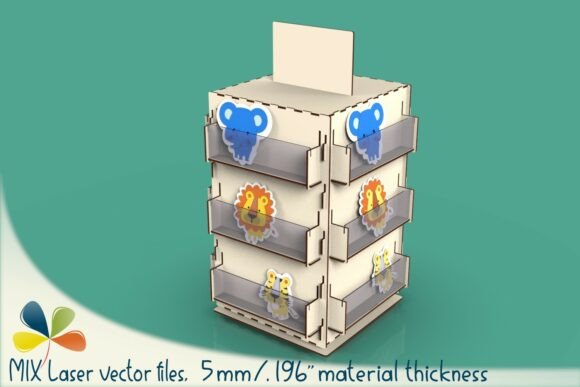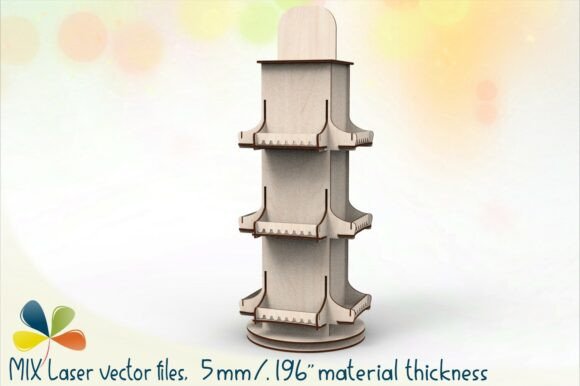
Rotating Display Stand SVG – 5mm 3mm
As a designer who spends half my day staring at stitch density charts and the other half worrying about how a design will hold up after ten washes, I don’t just look at an embroidery file; I look at its potential in the real world. When I first pulled up Rotating Display Stand SVG – 5mm 3mm, my initial reaction wasn’t about the technical specs of the laser cutting it represents, but rather how that architectural elegance translates into thread. This is a piece that screams "premium," but in the world of machine embroidery, looking premium and stitching cleanly are two very different challenges.
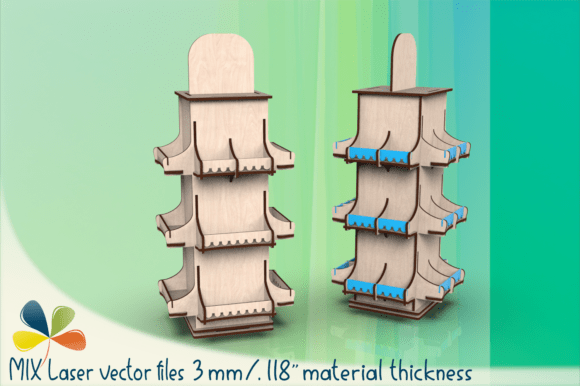
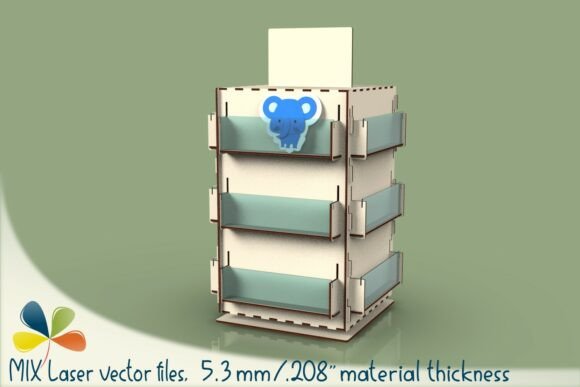
The description highlights a tall, elegant structure with three levels, twelve shelves, and sleek railings. Visually, this suggests a complex geometric layout. For an embroidery designer, complexity is a double-edged sword. It can create a stunning focal point, or it can turn into a muddy mess if the stitch density isn't managed correctly. My review here focuses on how this design behaves when moved from the screen to the hoop, specifically for craft business owners, Etsy sellers, and makers who need their products to look professional right out of the box.
First Impressions: Mood and Visual Personality
The mood of Rotating Display Stand SVG – 5mm 3mm is undeniably sophisticated. It evokes the feeling of a high-end boutique display or a curated gift shop shelf. In terms of visual personality, it feels structured, organized, and modern. This isn’t a whimsical, flowing floral pattern; it’s angular and precise. For a handmade product like a custom apron or a branded tote bag, this design adds a layer of perceived value that abstract patterns often lack. It tells the customer, "This item was made with intention."
However, the challenge lies in the detail level. The mention of "sleek 3mm acrylic railings" and "12 shelves" implies fine lines and repetitive elements. When converting these sharp laser-cut concepts into an embroidery file, those thin lines must be rendered as satin stitches or tight fill stitches. If the design is too dense, the fabric will pucker. If it’s too sparse, the intricate railing details might disappear entirely. My first instinct is to view this as a design that works best as a statement piece on a larger canvas, rather than a tiny accent.
Real-World Application: Where Does This Fit?
I’ve been thinking through where this design would actually sell. Let’s talk about a specific scenario: preparing a batch of custom embroidered tote bags for a local artisan market. You want something that stands out on a rack of generic bags. Placing the Rotating Display Stand SVG – 5mm 3mm centrally on a heavy cotton canvas tote creates an immediate conversation starter. It appeals directly to the Etsy seller or small shop product owner who wants to signal organization and style.
Beyond totes, this design has strong potential for custom apparel. Imagine a heavyweight sweatshirt embroidery centered on the chest or back. The verticality of the stand complements the long line of a sweatshirt perfectly. It also works surprisingly well for apron embroidery, particularly for kitchen-themed gifts or barista kits. The idea of displaying items—whether they are spices, tools, or treats—fits the narrative of the apron wearer.
For baby embroidery, however, I would proceed with caution. While the clean lines are nice, the subject matter is industrial. It might feel too stark for a nursery blanket unless paired with very soft, pastel threads. But for a personalized gift aimed at an adult organizer, a home editor, or a minimalist enthusiast, this design hits the nail on the head. It’s a holiday embroidery gem for the person who already has everything—they appreciate the aesthetic of order.
Technical Performance and Stitching Clarity
When evaluating any machine embroidery design, I always ask: How does it stitch? The structural nature of Rotating Display Stand SVG – 5mm 3mm means it will likely rely heavily on satin stitch for the outlines and railings, and perhaps fill stitch for the shelf platforms. The key here is stitch density. If the designer hasn't optimized the spacing between the 12 shelves, the needle penetration could become problematic, leading to thread breaks or fabric distortion.
In a real test, I would expect the running stitch to be minimal, used perhaps for subtle detailing, while the bulk of the visual weight comes from the denser stitches. This requires a stable base. Using the right stabilizer is non-negotiable. A cut-away stabilizer would be my recommendation for woven fabrics like canvas or denim, ensuring the tension remains consistent even after washing. On stretchy knits, the risk of warping increases significantly due to the rigid, geometric nature of the design.
Another critical factor is thread color contrast. Because the design features many thin, parallel lines (the railings), low contrast can make the image vanish. I recommend using a dark thread on light fabric or a metallic thread on matte backgrounds to enhance the "sleek" aspect mentioned in the product description. Testing in black and white mockups is a smart move here to ensure the shapes remain distinct without the crutch of color.
Where to Use With Caution
No design is universal, and Rotating Display Stand SVG – 5mm 3mm has clear limitations. It should be avoided in small hoop sizes. Trying to cram this much vertical detail into a 4x4 hoop will result in a pixelated, unrecognizable blob. It needs room to breathe, both in terms of physical space on the garment and digital space in the digitizing software.
Furthermore, textured fabrics are a no-go. The intricate details of the shelves and railings will get lost in the weave of a chunky knit or a boucle fabric. Thin fabrics like chiffon or silk require exceptional stabilization and possibly applique techniques to prevent the dense stitches from pulling the material through. Curved surfaces, such as caps or hats, are also risky. The flat, architectural geometry of the stand won’t follow the curve of a cap brim well, potentially causing puckering at the edges.
Finally, consider the end-user. Products that need frequent washing, like dish towels or children’s clothes, may see the detailed satin stitches fray over time if not finished properly. For these items, simpler designs with fewer delicate intersections are usually more durable.
Practical Designer Notes for Implementation
If you are planning to use this design for your craft business or as part of your design assets, here is my practical checklist:
- Test on Scrap Fabric First: Never commit to a final product without running the file on a scrap of the exact same material. Check for puckering, thread tension, and needle breakage.
- Review Stitch Density: Look closely at the transition points between the shelves and railings. Are there unnecessary jumps? Can the density be reduced without losing clarity?
- Confirm Hoop Size: Ensure your hoop is large enough to accommodate the full height of the stand. If the design is taller than your standard hoops, you may need to rehoop, which adds complexity.
- Inspect Small Details: Zoom in on the digital preview. Do the "3mm railings" translate to visible lines in thread? If they are too thin, they may stitch together into a solid block.
- Check Licensing: Before selling finished items or offering this as a digital embroidery file, verify the commercial license. Many SVG files intended for laser cutting have different usage rights than those meant for embroidery.
- Use Proper Stabilizer: Match your stabilizer to your fabric weight. Heavy fabrics need heavy stabilizers; light fabrics need lightweight tear-aways or wash-aways.
Final Verdict
Rotating Display Stand SVG – 5mm 3mm is a bold choice. It is not a safe, generic design; it is a statement piece that demands attention and precision. For the creative entrepreneur looking to elevate their brand identity, this design offers a unique blend of modern aesthetics and functional symbolism. It works beautifully for tote bag design, sweatshirt embroidery, and professional branding materials where clarity and sophistication are paramount.
However, success depends entirely on execution. The difference between a masterpiece and a misstitched disaster lies in the preparation. By respecting the design’s complexity, choosing the right fabrics, and testing thoroughly, you can create a finished product that truly elevates your offerings. It’s a showstopper, provided you give it the stage—and the stability—it deserves.