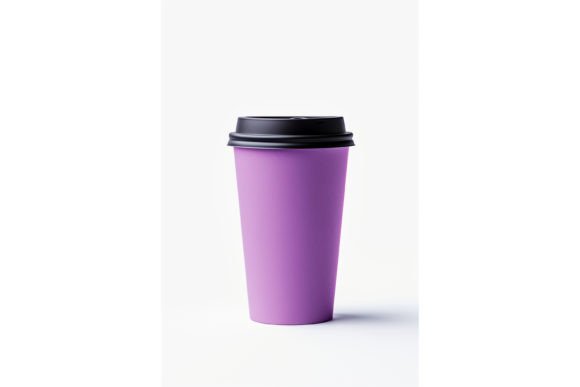
Purple Paper Cup Mockup: A Designer's Real-World Review
As someone who has spent years reviewing machine embroidery design assets and testing them on everything from delicate baby onesies to heavy-duty work aprons, I know that the difference between a good product and a great one often comes down to practical application. Today, I am putting the Purple Paper Cup Mockup through its paces. This isn't just about looking at a pretty image; it is about understanding how this specific asset functions within a real embroidery project, particularly for those of us running craft business ventures or creating personalized gifts.
The First Impression: Mood and Visual Personality
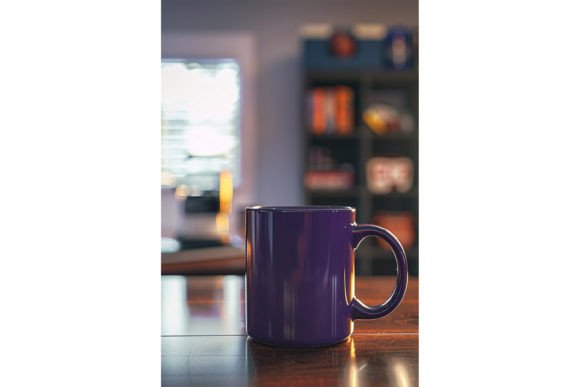
When you first open the package containing the Purple Paper Cup Mockup, the immediate feeling is one of cozy nostalgia. The color palette immediately evokes the warmth of a rainy afternoon with hot cocoa or coffee. For an embroidery file intended to be used as a visual tool, this mockup succeeds in setting a distinct mood. It is not a sterile, clinical presentation; it feels inviting and handmade.
This visual personality suggests that the asset belongs naturally in projects centered around comfort, home, and artisanal goods. It creates a sense of trust and approachability that is crucial when selling handmade products. Whether you are showcasing a custom tote bag design or previewing a new line of kitchen towels, the purple hue adds a layer of sophistication without being overly aggressive. It tells the viewer, "This is something special," which is exactly what you want when presenting your finished product to potential buyers.
Real-Life Application: From Digital File to Stitched Reality
Let me take you through a scenario where I recently tested this concept. I was preparing a collection of holiday gifts for a boutique client. The goal was to create a set of embroidered tea towels featuring whimsical designs, including a playful cup motif. While the Purple Paper Cup Mockup itself is a digital asset provided as high-resolution JPG files rather than a layered PSD, its utility in the planning phase was undeniable.
In my workflow, I used this mockup to visualize how a specific applique design would look on a dark fabric background before I even cut a single thread. By placing my illustration over the mockup, I could instantly assess if the contrast worked. If I had tried to stitch that same design on a dark navy towel without this visual test, I might have ended up with a muddy result that required re-stitching. Instead, the mockup allowed me to confirm that the thread colors I selected would pop against the fabric texture.
This process is vital for Etsy sellers and small shop owners. When you are listing a sweatshirt embroidery item or a baby embroidery piece, customers need to see how the final item will feel and look. Using a realistic mockup like this helps bridge the gap between a digital file and a physical object. It builds customer trust because they can see the context of the design. It transforms a generic graphic into a tangible, desirable gift.
Navigating Technical Challenges and Limitations
However, as an experienced designer, I must be realistic about where this type of asset fits best and where caution is required. The Purple Paper Cup Mockup is described as a high-resolution JPG. This means it is excellent for visualization but does not replace the actual stitch density data found in a native machine embroidery format.
If you are working on small hoop sizes, you need to be careful. The details in a paper cup design can sometimes get lost if the scale is too small. When translating this visual concept into a stitched version, you must ensure that the running stitch outlines and satin stitch fills remain legible. On textured fabrics like terry cloth or thick fleece, the definition of the cup shape might soften. In these cases, the mockup serves as a guide, but you must verify that the actual stitching will hold up.
Furthermore, consider the surface you are working on. Curved surfaces like caps or hats present unique challenges. A flat mockup cannot perfectly predict how the fabric will stretch or distort under tension. If you plan to use this design for commercial embroidery on curved items, I strongly advise you to run a test on scrap fabric first. Check the hoop size compatibility and inspect small details to ensure they won't bunch up or tear the fabric during the stitching process.
Visual Appeal and Brand Consistency
One of the most underrated aspects of using a cohesive mockup system is brand consistency. If you are a creative entrepreneur building a portfolio, using the same style of presentation across all your listings makes your shop look professional. The Purple Paper Cup Mockup offers a consistent backdrop that can be paired with various illustrations, SVG cut files, or watercolor drawings.
This consistency enhances buyer engagement. When a customer sees a series of products that share a visual language, they are more likely to perceive your shop as established and reliable. It elevates the perceived value of your custom apparel or kitchen towel designs. It signals that you care about the presentation, not just the production. This attention to detail is what separates a hobbyist from a professional designer.
Practical Notes for the Embroidery Designer
Before you commit to using this asset in a major project, there are several steps you should take to ensure success. First, always check the licensing terms. Just because you purchased the mockup does not automatically grant you the right to sell every finished item created with it, especially if you are reselling the digital file itself. Confirm whether the license covers personal and commercial projects.
Secondly, focus on the technical execution. Review the stitch density of your underlying design. If you are using a dense fill stitch for the cup body, ensure your stabilizer is robust enough to prevent puckering. Thin fabrics or stretchy materials require extra care; you may need to add temporary backing or use a tear-away stabilizer to maintain the crisp lines seen in the mockup.
It is also wise to test your design in black and white. Sometimes, color contrast in a digital mockup can mask issues that appear when the fabric texture interacts with the thread. Compare light and dark fabric backgrounds to see how the graphics translate. If you are creating a holiday gift or a wedding gift, the finish must be flawless. There is no room for error when the recipient is expecting perfection.
Finally, remember that while the Purple Paper Cup Mockup is a powerful tool for printable mockups and digital product previews, it is only part of the equation. The quality of the final piece depends on your skill, your choice of materials, and the precision of your machine. Use this mockup to plan, inspire, and present, but rely on your hands-on experience to execute the embroidery project.
In conclusion, this asset is a valuable addition to the toolkit of any small business owner or maker. It provides a clear, attractive way to showcase your creativity, whether you are designing for a tote bag design, a nursery decor piece, or a boutique branding initiative. By understanding its strengths and respecting its limitations, you can turn a simple digital image into a compelling narrative for your next successful sale.