Laser Cut 3 Display Tray with Logo for Stands and Laser Cutting
I recently came across a new asset called Laser Cut 3 Display Tray with Logo while browsing for fresh materials to expand my digital product shop. As someone who has spent years selling on Etsy, Creative Fabrica, and running a print-on-demand store, I am always looking for assets that offer versatility without sacrificing quality. This particular item caught my eye because it promises a solution for sellers who need professional-looking display solutions for their physical or digital goods.
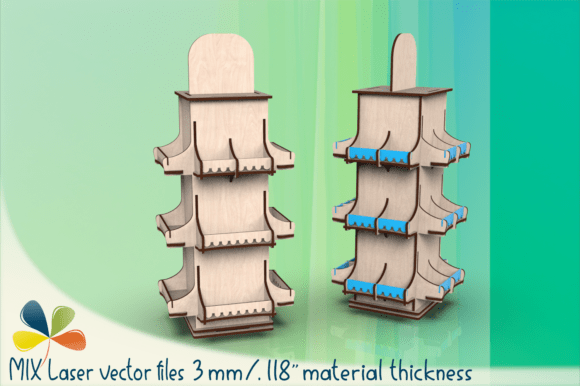
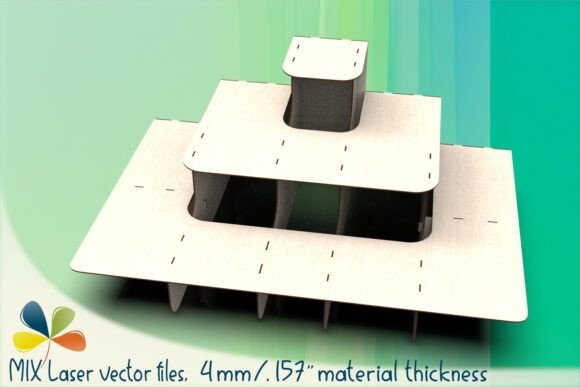
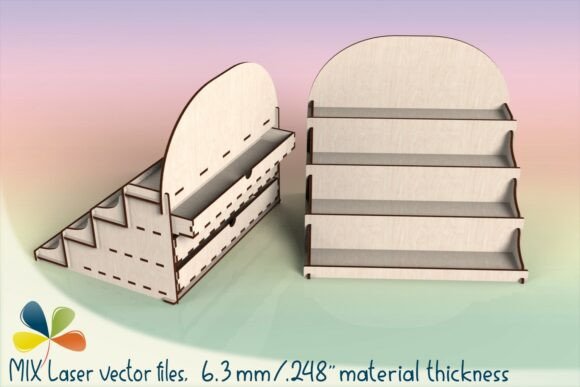
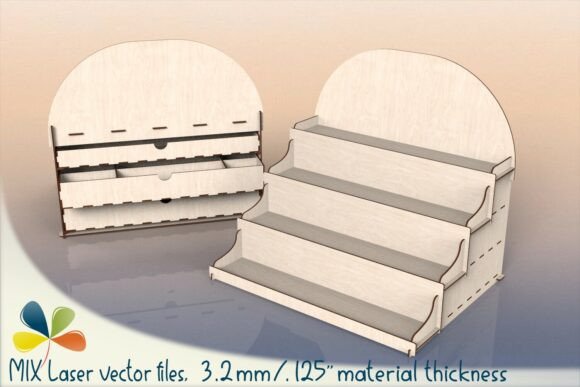
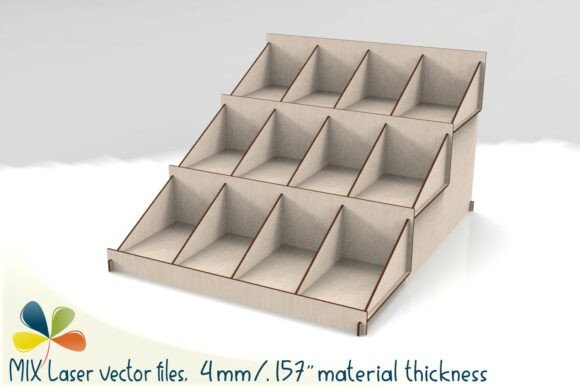
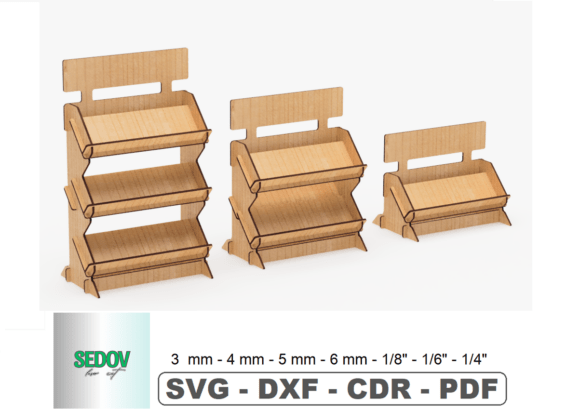
The concept is straightforward yet powerful: a set of three laser-cut templates designed to create stylish wooden display trays. These come in one, two, or three tiers, each featuring a dedicated top section specifically meant for adding your logo or product name. It feels like a tool built for the modern creative entrepreneur who wants to elevate their brand presence. Before I decided to integrate this into my workflow, I had to ask myself if it would truly serve my diverse audience of crafters, Cricut users, and small business owners.
First Impressions and Niche Appeal
When you first look at Laser Cut 3 Display Tray with Logo, the visual personality strikes a balance between rustic charm and commercial polish. It does not feel overly playful or childish; instead, it leans towards a clean, modern aesthetic that fits well within premium handmade niches. The design suggests a buyer who values organization, branding, and presentation. Whether you are targeting a boutique owner, a wedding planner, or a maker selling jewelry and crafts, this graphic design asset appeals to an audience that appreciates structure and elegance.
The mood is practical but aspirational. It speaks to the desire to turn a simple hobby into a branded business. For a seller preparing a seasonal collection, this asset offers a way to present products as part of a cohesive system rather than isolated items. The inclusion of a space for a logo is particularly smart, as it allows the end-user to personalize the piece, which adds significant perceived value to any printable design or sublimation design they might create.
Real-World Applications for Sellers
In my experience testing assets before publishing them, versatility is key. Laser Cut 3 Display Tray with Logo proves its worth immediately when considering how it can be used across different product types. It is not just a file for cutting wood; it is a foundational element for various digital products.
For SVG designers, this asset can be deconstructed or used as-is to create complex cut files for Cricut projects. Imagine offering a bundle where customers can download the tray template along with matching decorative elements for scrapbooking kits or digital paper packs. For those focusing on PNG designs, these trays serve as excellent frames for sublimation designs or printable wall art. You could create a series of greeting cards or invitation templates where the tray acts as a background element, suggesting a gift-ready presentation.
The utility extends further into merchandise graphics. A t-shirt design featuring the outline of the tray with a custom slogan inside could work well for craft fairs or maker markets. Similarly, mug designs, tote bag prints, and tumbler wraps can utilize the tiered structure to showcase patterns or text. Even social media templates benefit from this layout; a blogger could use the three-tier concept to organize tips or highlight features in a visually appealing post. By incorporating this into your design bundles, you provide a commercial design tool that helps users visualize their final products before they even cut the material.
Enhancing Product Presentation and Trust
One of the biggest challenges in selling digital downloads is helping the customer visualize the end result. Laser Cut 3 Display Tray with Logo solves this by providing a clear structure for product mockups. When creating listing images for your Etsy product pages, using this asset to simulate a fully assembled display tray can dramatically increase click-through potential. It transforms a flat vector file into a tangible object in the customer's mind.
This asset supports visual storytelling by allowing you to demonstrate brand consistency. If you are building a line of packaging design assets, having a standardized tray layout ensures that all your templates look cohesive. It builds customer trust because the design appears professional and thought-out. In crowded marketplaces, a clean thumbnail featuring a styled display tray stands out against generic clipart. It signals that the creator understands the needs of a serious seller who wants to elevate their small business branding.
Strategic Placement and Limitations
While this asset is robust, there are specific scenarios where it shines and others where caution is required. It works best in large product previews, themed bundles, and decorative layouts where the focus is on the overall composition. For printable products that require high-resolution details, the clean lines of the laser cutting template ensure that the output remains crisp. It is also ideal for promotional visuals where you need to show off a product hierarchy.
However, there are risks to consider. If you plan to use this for tiny sticker details, the complexity of the tiers might get lost in the small format. Overly complex layouts can sometimes overwhelm the user, especially if they are trying to add too much text or multiple logos. Low-resolution print products will struggle to capture the fine details of the laser cuts, so verifying file resolution is a critical step. Additionally, on dark backgrounds or in thumbnails with weak contrast, the design might lose its impact unless you adjust the color palette carefully.
Text-heavy templates should be approached with care. While the tray has a dedicated section for a logo, cramming too much information into the tiers can make the design cluttered. For Cricut or Silhouette projects, the cutting lines must be perfectly defined. If the paths are not optimized, users may face issues during the cutting process, leading to negative reviews. Therefore, inspecting the SVG cut quality is essential before offering this as a commercial license asset.
Practical Testing Notes for Creators
Before adding Laser Cut 3 Display Tray with Logo to your inventory, I recommend a rigorous testing phase. Start by testing the design on real mockups to see how it translates from screen to reality. Preview it as a marketplace thumbnail to ensure it grabs attention at a small size. Check how it looks on both white and dark backgrounds to confirm versatility.
Verify the PNG transparency to ensure there are no jagged edges or unwanted artifacts. If you are selling the SVG version, inspect the cut quality closely. Organize your files clearly for customers, perhaps separating the tray layers from the logo placeholder to give users flexibility. Pairing the design with different font styles can unlock new possibilities. Try combining the structural lines with a serif font for a classic look, a sans serif font for modern minimalism, or a script font for a feminine touch. You might even experiment with handwritten fonts to emphasize the handmade business angle.
Finally, confirm the commercial licensing terms. Understanding exactly what you can sell with this asset is crucial for protecting your business. Is it allowed for unlimited print runs? Can it be used in subscription boxes? Answering these questions upfront prevents legal headaches later.
In conclusion, Laser Cut 3 Display Tray with Logo is more than just a template; it is a strategic asset for anyone looking to professionalize their online product collection. By understanding its strengths and limitations, you can create a range of products that appeal to a wide spectrum of creative entrepreneurs. From digital downloads to physical merchandise, this design provides the foundation for a polished, branded presence in the competitive world of creative marketplaces.