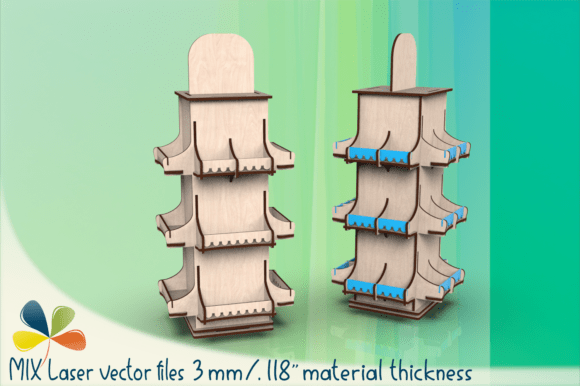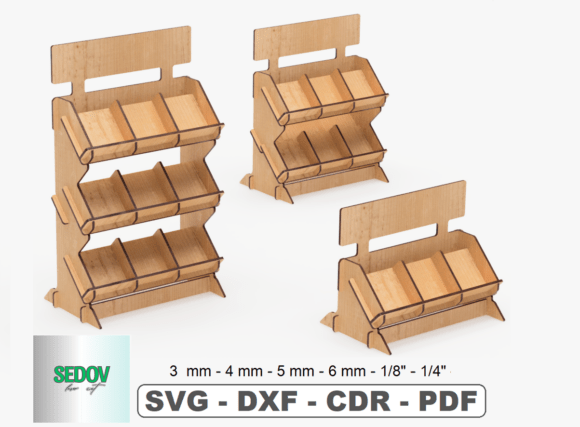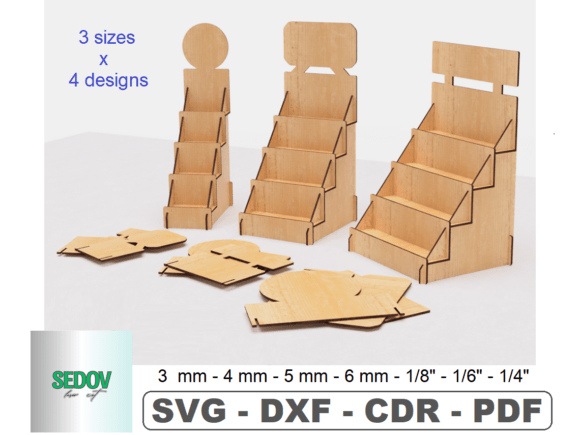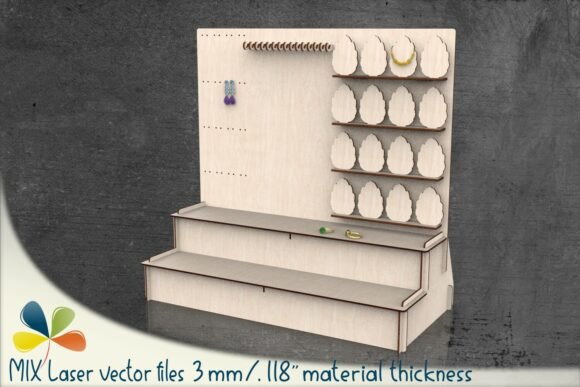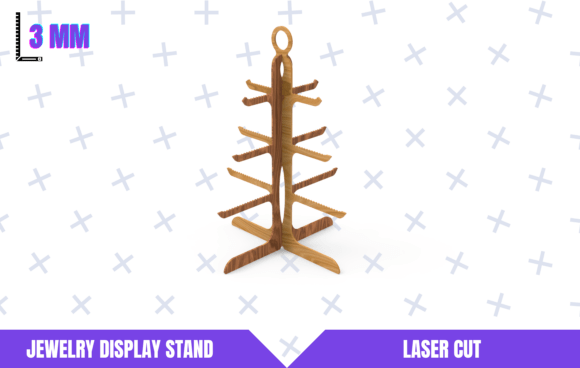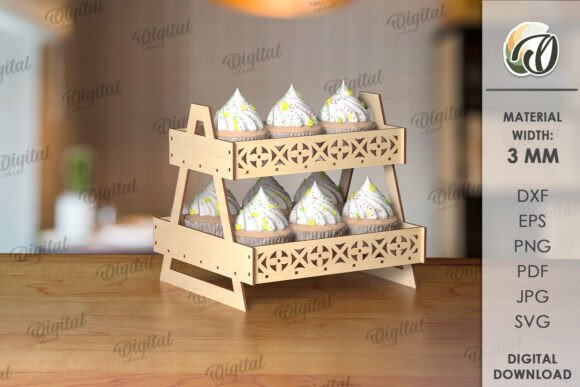
Display Stand Laser Cut. Wooden Stand
As a designer who spends more time than I care to admit staring at stitch charts and testing thread tension, I don’t just buy embroidery files; I evaluate them as potential products. When I first opened the zip folder for this Display Stand Laser Cut. Wooden Stand, my immediate reaction was one of practical curiosity. It is not merely a decorative motif; it is a structural concept translated into vector lines. This is a digital embroidery file that bridges the gap between graphic design and tactile craft, offering a unique opportunity for makers looking to elevate their craft business offerings.
First Impressions: Structure Meets Stitch
The visual personality of this design is clean, architectural, and surprisingly versatile. Unlike typical floral or abstract motifs that dominate the market, this machine embroidery design relies on strong outlines and negative space. The "laser cut" aesthetic implies precision, which translates beautifully into embroidery when executed correctly. The mood it creates is modern and minimalist, making it an excellent candidate for contemporary home decor, boutique branding, or professional gift items.
What stands out immediately is the layout. The design feels balanced, with distinct sections that can be interpreted in various ways depending on your stitching approach. Is it a standalone patch? A central focal point on a sweatshirt? Or perhaps a detail on a tote bag? The shape invites creativity. For an Etsy seller or small shop owner, this kind of adaptable design is gold because it allows you to create multiple product variations from a single asset. It signals professionalism and attention to detail, qualities that build customer trust in handmade goods.
Real-World Application: From Screen to Fabric
Let’s talk about how this embroidery project performs in the wild. I recently considered using this design for a line of custom aprons targeted at home bakers and coffee enthusiasts. The concept of a "stand" or display element fits perfectly within a kitchen context. Imagine this stitched onto a heavy-duty canvas apron in a contrasting thread color. The crisp lines would pop against the fabric texture, creating a sophisticated look that appeals to buyers who value both function and aesthetics.
Another scenario involves personalized gifts. This design works exceptionally well for nursery decor or baby items. If stitched onto a soft cotton blanket or a muslin swaddle, the gentle curves and structured lines can evoke a sense of calm and order. It’s not overly childish, which makes it appealing to parents who prefer modern, gender-neutral designs. Similarly, for custom apparel like hoodies or t-shirts, placing this design on the chest pocket area or centered on the back offers a bold statement piece without being overwhelming.
For those selling digital assets, this design serves as a fantastic base for printable mockups. You can showcase how the finished product looks on various materials—denim, felt, linen—to help your customers visualize the final result. This transparency reduces return rates and increases buyer confidence, especially for those new to commercial embroidery.
Where Caution is Required
While the design has broad appeal, it is not without its challenges. As with any detailed vector-based embroidery, placement and material choice are critical. Here is where you need to be careful:
- Small Hoop Sizes: If you attempt to digitize or stitch this in a very small hoop (under 4x4 inches), you risk losing the integrity of the finer details. Ensure your target product allows for adequate spacing.
- Textured and Stretchy Fabrics: Materials like chunky knits, fleece, or highly stretchy jersey can distort the precise lines of a laser-cut style design. Always use a high-quality stabilizer to prevent puckering or shifting.
- Dense Stitch Areas: While the design appears open, certain sections may require dense fill stitches to achieve the intended opacity. Test these areas thoroughly to avoid needle breakage or thread jams.
- Curved Surfaces: Applying this to caps or hats requires careful hooping techniques. The flat, geometric nature of the design might not wrap naturally around a curved brim without distortion.
- Frequent Washing: For items like aprons or tote bags that undergo regular laundering, ensure the stitch density is sufficient to withstand wear and tear. Loose satin stitches may fray over time if not properly reinforced.
Design Notes for the Professional Maker
To get the most out of this digital embroidery file, I recommend following a rigorous testing protocol. Never assume a design will work perfectly on the first try. Start by stitching it on scrap fabric that matches the weight and texture of your final product. This helps you assess the stitch density and overall stability.
Thread color selection is paramount. Since the design mimics a laser-cut wooden stand, earth tones like browns, tans, and creams can enhance the rustic feel. Alternatively, using bright, contrasting threads can give it a playful, graphic quality. Test your chosen thread colors against both light and dark backgrounds to ensure visibility and contrast. A quick black-and-white mockup can also help you judge the balance of positive and negative space.
Don’t forget to inspect the small details. Are the corners sharp? Is the text legible (if any)? If you plan to sell finished items, confirm the licensing terms of the file. Some design assets are restricted to personal use only, while others allow commercial production. Understanding these boundaries protects your small shop product from legal issues.
Final Verdict
This Display Stand Laser Cut. Wooden Stand is more than just a pretty picture; it’s a strategic addition to any embroiderer’s library. It offers a blend of modern aesthetics and structural clarity that resonates with today’s consumers. Whether you are creating personalized gifts, expanding your Etsy listings, or designing for corporate clients, this file provides a solid foundation for high-quality, professional results.
By treating it with the respect due a complex design—testing fabrics, checking stabilizers, and planning your color palette—you can transform this simple SVG into a standout handmade product. It’s a reminder that great embroidery isn’t just about what you stitch, but how you think about the end use. For designers and sellers alike, this is a tool that pays dividends in creativity and customer satisfaction.